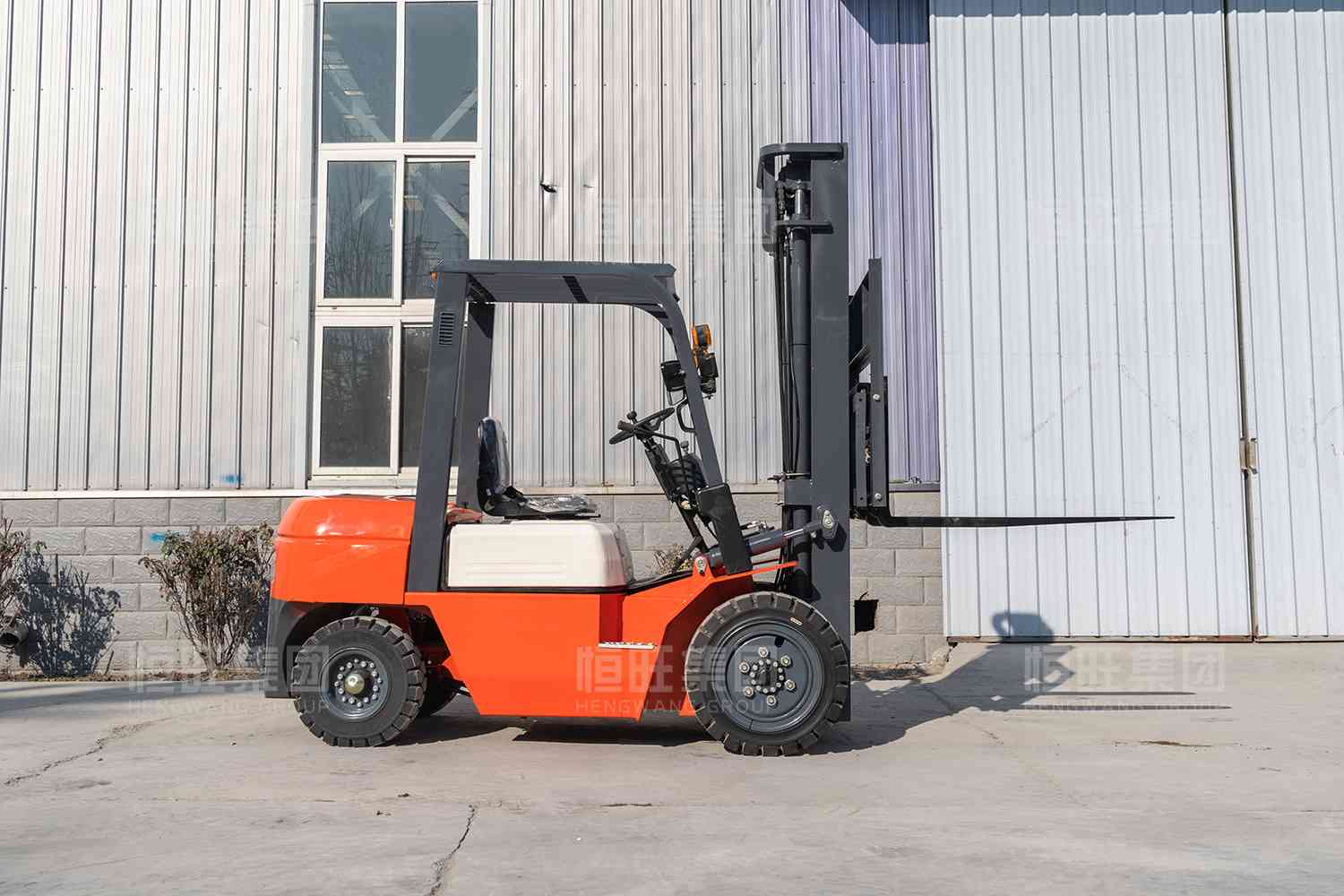
Unusual noise in forklifts is a common maintenance challenge, risking equipment damage and safety hazards. This guide outlines systematic approaches to identify noise origins and implement effective reduction strategies.
Mechanical Wear: Worn piston rings or valve lifters cause metallic knocking
Lubrication Issues: Inadequate or degraded oil leads to friction noise
Airflow Disturbances: Clogged air filters or leaking exhausts create airflow roar
Gearbox Problems: Misaligned gears or worn bearings generate high-pitched whining
Drivetrain Issues: Loose chains or slipping belts produce periodic rattling
Differential Damage: Insufficient gear oil or faulty components cause grinding sounds
Pressure Irregularities: Over/under-inflated tires create uneven tread noise
Tread Damage: Embedded debris or worn treads amplify rolling noise
Tire Mismatch: Non-OEM tires produce abnormal friction with surfaces
Failed Dampeners: Worn suspension bushings or leaky shock absorbers
Loose Fasteners: Vibrating chassis components cause resonant clanking
Deformed Shields: Rubbing engine covers or fork guards generate buzzing
Perform oil checks every 200 hours; replenish with SAE 15W-40 if below minimum
Clean or replace air filters to maintain unobstructed intake airflow
Seal exhaust leaks with high-temperature gasket compound
Replace gearbox oil with GL-5 grade every 500 hours
Adjust chain slack to 15-20mm; replace chains with over 3% wear
Replace belts with cracks deeper than 1mm and ensure pulley alignment
Maintain 0.25-0.3MPa tire pressure; inspect weekly with a gauge
Remove tread debris and replace tires when tread depth drops below 2mm
Opt for OEM-spec tires to minimize road friction noise
Replace aging suspension bushings, focusing on axle supports
Torque all chassis bolts to 25-30N·m to prevent looseness
Install sound-dampening foam in engine compartments and fork brackets
Avoid abrupt acceleration/braking to reduce mechanical stress noise
Limit turns to 5km/h max to ease differential load
Prevent overloading, as off-balance cargo intensifies chassis vibrations
Monthly noise audits using a stethoscope for precise source identification
Periodic lithium-based greasing of all drivetrain points (every 100 hours)
Fork alignment checks—correct any >5° deviation in the mast system
Moisture-controlled storage to prevent rust-induced mechanical noise
Addressing forklift noise requires a holistic approach combining mechanical inspection, component servicing, and operational discipline. By systematically targeting engine, drivetrain, tire, and structural sources, paired with routine maintenance, operators can significantly reduce noise levels and extend equipment life. For persistent issues, consult certified technicians for advanced diagnostics.